What are good pre-signing ERP questions for data sovereignty?
Choosing an ERP is not just a software decision. It is a decision about where your business data will live, who can access it, how it will be protected and what happens when something goes wrong.
For Australian organisations, those questions matter before the contract is signed—not after a migration, payroll cutover or warehouse go-live. A vendor may say your https://dibz.me/blog/dolibarr-vs-odoo-in-australia-is-support-the-deal-breaker-1300 data is “hosted in Australia”, but that statement alone does not tell you where backups are stored, which countries support staff can access the system from, or whether a subcontractor can work on your environment.
This guide sets out practical pre-signing questions for ERP buyers. They are relevant whether you are evaluating Odoo or another platform, and whether your organisation is a distributor, manufacturer or service business. The aim is not to rule out every overseas service. It is to understand the arrangement clearly enough to make an informed decision and manage the risks.
Start by defining what “data sovereignty” means for your business
“Data sovereignty” can mean different things in different conversations. A provider may use it to describe the physical location of production servers. Your organisation may also need to know where copies, logs and backups are held, which laws may apply, and who can access information remotely.
Before comparing proposals, identify the data and processes that matter most. This might include customer and supplier records, pricing, product designs, financial information, employee details, payroll records, inventory movements and audit logs. Then decide what your organisation requires for each category.
Australian privacy and security obligations depend on your organisation, the information involved and the services being used. Do not treat a supplier’s statement about Australian hosting as a substitute for your own legal, risk or compliance review. Ask for evidence and have the relevant advisers review commitments where appropriate.
Ask exactly where your data is stored
The first question is direct: where is our data stored? Ask the provider to answer separately for production data, backups, disaster-recovery copies, file attachments, system logs and any data used for testing or analytics.
“Hosted in Australia” may describe the primary production environment but not every supporting service. A cloud platform could use separate locations for backups, monitoring, email delivery, support ticket attachments or analytics. Ask the provider to map the whole service rather than describing only the ERP database.
- In which country and region is the production environment located?
- Where are backups and disaster-recovery copies stored?
- Are attachments, exports, logs and diagnostic data held in the same region?
- Can any data be replicated or temporarily cached outside Australia?
- Are non-production environments made from production data, and where are they hosted?
- What happens to data when the contract ends, and how is deletion confirmed?
Ask for named locations, not just phrases such as “regional hosting” or “within an approved cloud environment”. If the provider uses a cloud hosting company, ask it to identify the service and regions in writing. The provider should also explain whether it can change locations and what notice or approval you would receive.
Clarify backup residency and recovery arrangements
Backup residency is easy to overlook because backup and recovery services are often treated as infrastructure detail. They are part of your data footprint. Ask where backup copies are held, how often they are taken, how long they are retained and how the provider tests recovery.
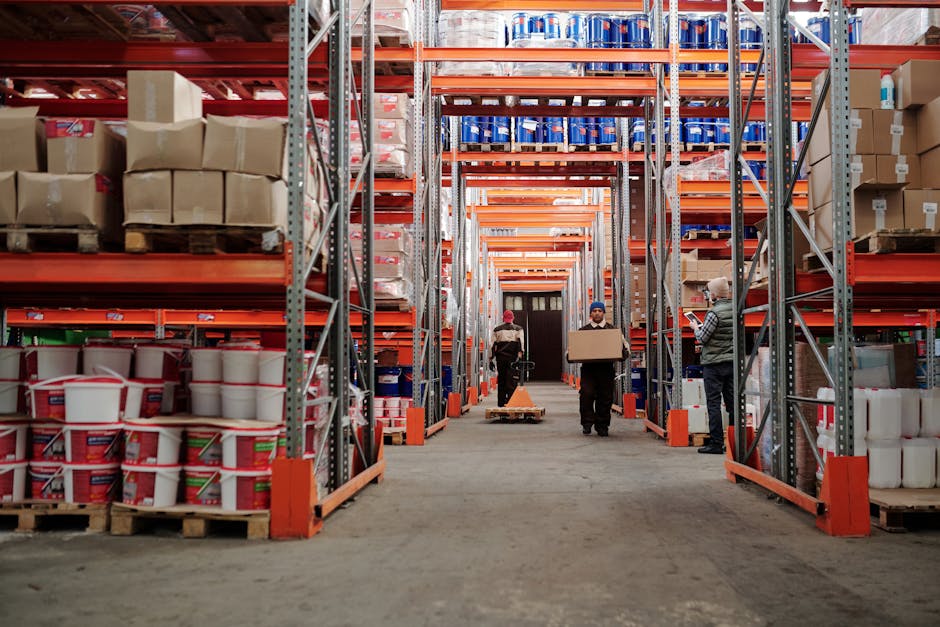
Do not stop at “we take regular backups”. Ask what that means for your service, and request recovery objectives that match your operations. A distributor may need stock, order and despatch data available quickly after an outage. A manufacturer may have additional dependencies, such as work orders, bills of materials and shop-floor records. The right recovery targets depend on how your business runs.
Topic Useful question to ask What a clear answer should cover Backup residency Where are every copy of our backups stored? Named countries or regions, including disaster-recovery copies Retention How long are backups retained and when are they deleted? Retention periods, deletion process and any exceptions Recovery What are the recovery time and recovery point objectives? Expected restoration time and maximum data-loss window Testing When was recovery last tested for this service? Test frequency, scope and how failures are addressedMake sure the contractual description matches the operational arrangement. If a provider cannot confirm backup residency, treat that as an open risk to resolve, not as a minor technical detail.
Ask which countries can access the system
Data can be hosted in Australia and still be accessed remotely from elsewhere. That is why buyers should ask: which countries can access our data or administer our environment?
Request a description of the support and administration model. It should cover the provider’s employees, subcontractors, cloud hosting provider and any other party with privileged access. Ask about routine support access as well as emergency access. Also clarify whether staff can see customer or employee information, or whether access is limited to technical metadata.
- From which countries can staff access the production environment?
- Which roles can view, export or change business data?
- Can overseas support staff access production, even with approval?
- Is privileged access time-limited, logged and approved?
- Are access logs available to us, and how long are they retained?
- Can the provider disclose the countries and organisations used for subcontracted support?
Answers should distinguish between data location and access location. A provider should not imply that Australian hosting means Australian-only access unless that is the actual, documented arrangement. If access from outside Australia is permitted, ask what controls apply, how exceptions are approved and whether you will be notified of changes.
Make onshore delivery a selection factor, not a slogan
Onshore delivery can be valuable when the team understands Australian business conditions, communicates in your working hours and can respond during a local operational issue. It may also make workshops, site visits and cutover support easier to coordinate. But “Australian provider” or “local team” does not automatically mean every person working on your project is in Australia.
Ask who will do each part of the work: discovery, configuration, development, data migration, testing, training and go-live support. Ask for the location of each delivery team and the expected time-zone coverage. If the provider uses offshore staff or subcontractors, get that disclosed before signing—not after the project is under way.
A useful question is: Who answers the phone on Monday at 9:07am? If the warehouse cannot despatch orders, payroll data has failed validation or users cannot invoice customers, you need to know who takes the call, where they are, what authority they have and how quickly they can act.
Onshore delivery is not automatically the only acceptable model. A mixed team may work well if responsibilities, access and escalation paths are clear. The point is to choose the model deliberately, understand the trade-offs and make sure the contract reflects what was sold.
Understand the implementation risk behind offshore work
ERP implementation risk is not limited to where servers sit. A project team may move data through spreadsheets, migration tools, test databases, shared drives and issue-tracking systems. Each can create additional copies or access paths.
Ask how data will be handled during implementation. Will the team use masked or anonymised data for testing? If a production extract is necessary, where will it be stored, who can access it and when will it be deleted? How will test files and migration workbooks be protected? Ask whether the team will connect through controlled accounts and whether access can be removed promptly at the end of the project.
Also ask the provider to disclose subcontracting and delivery changes in the contract. Seek a commitment that material changes to delivery locations, subprocessors or access arrangements will be notified in advance, with an approval or review process where appropriate. If a provider will not identify who is doing the work, it is difficult to assess the risk.
Open-source ERP makes partner due diligence more important
Open-source ERP can offer flexibility and access to a broad ecosystem, but the software licence does not deliver a successful implementation by itself. The partner’s capability matters: how it designs the solution, configures permissions, manages customisations, handles upgrades, protects data and supports users after go-live.
With Odoo, for example, buyers should distinguish between the ERP application, the hosting arrangement and the services supplied by the implementation partner. Ask who operates the environment, who is responsible for security updates and backups, and which party responds when an incident occurs. Do not assume the software publisher, hosting provider and implementation partner have identical responsibilities.
Ask for references from organisations with similar operational needs, not just similar software. A distributor with multiple warehouses has different requirements from a light manufacturer managing bills of materials, routings and production planning. Check how the proposed partner handles data migration, integrations, custom modules and post-launch support.
Industry coverage, such as reporting from iTWire, can help buyers follow technology and security discussions, but it is not a substitute for vendor-specific answers. Ask the provider to show you its actual architecture, responsibilities and contractual commitments.
Put the answers into the contract and project plan
Good verbal answers are useful during selection, but important commitments should be recorded. Review the main services agreement, data processing terms, security schedule, service levels and any subcontractor terms. Make sure those documents describe the same service the sales team presented.
Before signing, check that the agreement addresses:
- Approved hosting and backup locations, including any permitted exceptions.
- Countries from which support and administrative access may occur.
- Subprocessor disclosure, change notification and approval or review rights.
- Access controls, logging, incident notification and cooperation obligations.
- Backup retention, recovery targets, testing and restoration responsibilities.
- Data return, export format, transition assistance and secure deletion at exit.
- Implementation data handling, including test copies and temporary files.
Also assign an owner on your side for each decision. Someone should verify hosting and access claims; someone should own migration and test-data controls; and someone should be responsible for operational support and escalation. If no one is accountable, the questions can SME ERP selection checklist remain unanswered while the project moves forward.
A practical pre-signing checklist
- Map the data: Identify the sensitive information and the ERP processes it supports.
- Confirm locations: Get specific answers for production, backups, logs, attachments and test environments.
- Confirm access: Document the countries, people and organisations that can administer or view the service.
- Review delivery: Identify who performs each implementation task and where they work.
- Test the support model: Confirm local-hours coverage, escalation steps and emergency response.
- Check the paperwork: Ensure the contract and schedules match the answers given during selection.
- Plan for exit: Understand how to retrieve your data and have it securely deleted.
Choose with evidence, not reassurance
The strongest ERP proposal is not necessarily the one with the most confident claim about sovereignty. It is the one that explains the service plainly: where data is stored, where backup copies live, which countries can access the environment, who delivers the implementation and how support works when your team needs help.
For Australian buyers, onshore delivery can be a meaningful selection factor, particularly when local operational knowledge and responsive support matter. But judge the actual team and commitments, not the label. With open-source ERP, scrutinise the partner closely, because implementation quality and ongoing responsibility sit across more than one organisation.

Get clear answers before signing, document them, and make unresolved points visible in your risk assessment. That is how you move from a reassuring sales conversation to an ERP arrangement your operations team can rely on.